Creating a home office that is both relaxing and productive can make a big difference in how you feel about your workday. Whether you’re working remotely full-time or just need a dedicated space for occasional tasks, designing a comfortable and efficient workspace is key. This guide offers helpful tips to transform any corner of your home into an environment where you can focus, stay organized, and feel at ease.
1. Choose the Right Location for Your Home Office
Selecting the best spot is the first step. Ideally, the area should be:
– Quiet: Find a place with minimal distractions to help you concentrate.
– Well-lit: Natural light boosts mood and productivity, so pick a spot near a window if possible.
– Separate: Having a dedicated space signals to your brain that it’s time to work and helps maintain boundaries between professional and personal life.
If space is limited, even a small nook can work well with the right setup.
2. Invest in Comfortable and Supportive Furniture
Comfort is essential when spending many hours at a desk. Consider the following:
– Ergonomic chair: Look for chairs that support your lower back and allow feet to rest flat on the floor.
– Adjustable desk: If possible, choose a desk that lets you alternate between sitting and standing.
– Proper desk size: Ensure your desk is large enough for your equipment without causing clutter but not so big that it feels overwhelming.
Ergonomic setups reduce fatigue and physical strain, helping you maintain focus.
3. Optimize Lighting to Reduce Eye Strain and Enhance Mood
Good lighting improves comfort and alertness:
– Use natural light: Position your desk to take advantage of sunlight while avoiding glare on your screen.
– Task lighting: Add a desk lamp with adjustable brightness for focused work.
– Balanced ambient light: Avoid working in a room that is too dark or overly bright, as both extremes can cause eye strain.
Adding soft, warm bulbs can create a relaxing atmosphere that still supports productivity.
4. Personalize Your Workspace with Calming Elements
Decor can influence your mood and productivity:
– Choose soothing colors: Soft blues, greens, or neutrals encourage calm and focus.
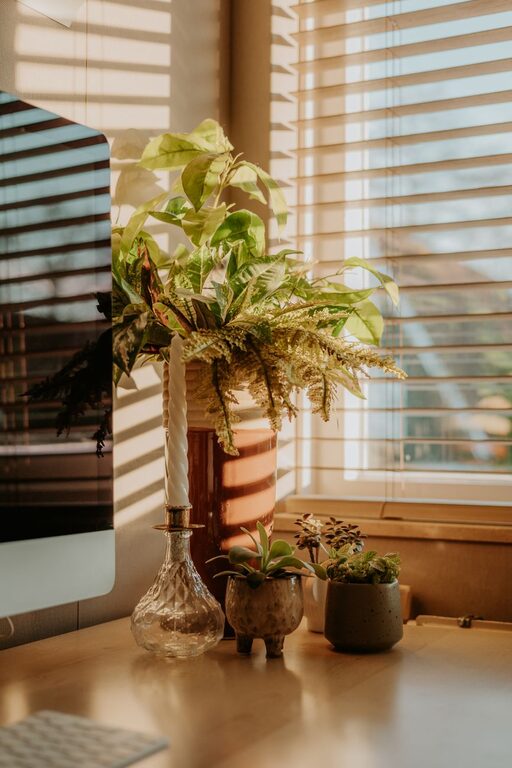
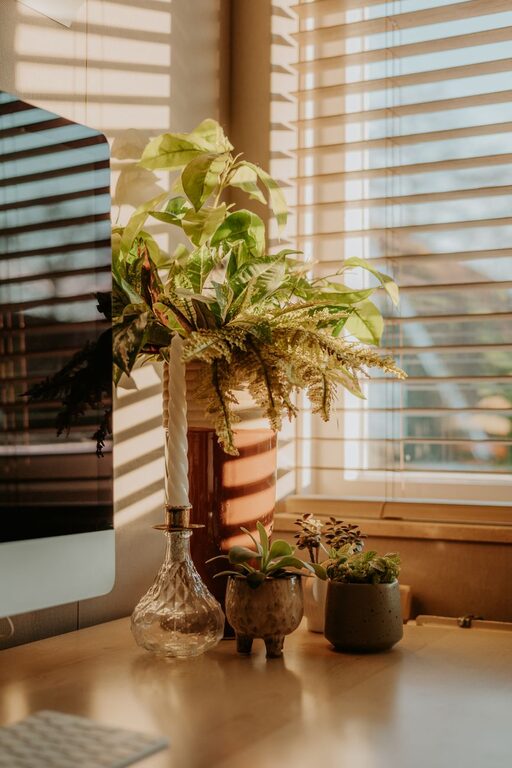
– Add plants: Indoor plants improve air quality and add a touch of nature, which promotes relaxation.
– Display meaningful items: Photos, artwork, or motivational quotes can inspire without causing clutter.
Keep decorations minimal to prevent distractions.
5. Organize Your Desk and Supplies Efficiently
An organized space keeps you focused and reduces stress:
– Use storage solutions: Drawers, file organizers, and shelves help keep papers and supplies neat.
– Minimize clutter: Only keep essential items on your desk.
– Cable management: Use clips or covers to avoid tangled wires.
Set aside time each day to tidy your workspace to maintain order.
6. Limit Distractions with Clear Boundaries
To stay productive, it’s important to minimize disruptions:
– Communicate with household members: Set work hours and explain when you cannot be disturbed.
– Use noise-canceling headphones: These help block out background noise.
– Silence notifications: Turn off non-work-related alerts on your computer and phone.
Creating boundaries helps your brain separate work from leisure.
7. Incorporate Breaks and Movement into Your Routine
A productive office supports your wellbeing:
– Take regular breaks: Short pauses every hour refresh your mind and prevent burnout.
– Stretch or walk: Simple stretches or a brief walk can relieve tension and improve circulation.
– Stay hydrated: Keep a water bottle nearby to encourage regular drinking.
Consider using timers or apps to remind yourself to step away from the desk periodically.
8. Use Technology to Enhance Productivity
Choose tools that make work easier, not complicated:
– Quality equipment: A reliable computer, keyboard, and mouse reduce frustration.
– Dual monitors: Additional screens can improve workflow for some tasks.
– Productivity apps: Calendars, task managers, and focus apps help keep tasks organized.
Ensure your internet connection is stable for seamless remote work.
—
By combining these strategies, you can create a home office environment that not only supports your professional goals but also nurtures your wellbeing. A relaxing and organized space makes working from home a more enjoyable and successful experience. Start experimenting with these tips today and tailor your workspace to suit your unique needs.
About the Author