
Creating a productive home office environment can significantly improve your work efficiency and overall well-being. Whether you’re working remotely full-time or just need a dedicated space for occasional tasks, setting up a workspace that supports focus and comfort is essential. In this post, we’ll explore useful tips to help you create a home office that meets your needs and keeps distractions at bay.
Choose the Right Location
The first step in establishing a productive home office is selecting the best spot in your home. Ideally, look for a quiet area with minimal foot traffic and noise. Here are some considerations when choosing your office space:
– Privacy: A room with a door can help separate work from daily life.
– Natural Light: Position your desk near a window to benefit from natural daylight, which can boost mood and energy.
– Ventilation: Good airflow keeps your workspace fresh and comfortable.
– Avoid Distractions: Stay away from noisy areas like the kitchen or living room if possible.
Invest in Ergonomic Furniture
Comfort is key when spending hours at a desk. Ergonomic furniture supports good posture and reduces physical strain.
– Ergonomic Chair: Choose a chair with adjustable height, lumbar support, and comfortable cushioning.
– Desk Height: Ensure your desk is the right height so your elbows are at a 90-degree angle when typing.
– Monitor Placement: Position your computer screen at eye level, about 20-30 inches away to prevent neck strain.
– Footrest: Use a footrest if your feet don’t comfortably reach the floor.
Organize Your Workspace
An organized workspace helps reduce stress and saves time looking for tools or documents. Try these tips to keep your office tidy:
– Declutter Regularly: Remove unnecessary items from your desk and storage.
– Use Storage Solutions: Bins, shelves, and filing cabinets help store supplies neatly.
– Cable Management: Use clips or sleeves to organize cords and prevent tangling.
– Keep Essentials Nearby: Keep frequently used items within arm’s reach to avoid interrupting your workflow.
Optimize Lighting
Proper lighting reduces eye strain and improves concentration.
– Natural Light: Maximize exposure to natural light during the day.
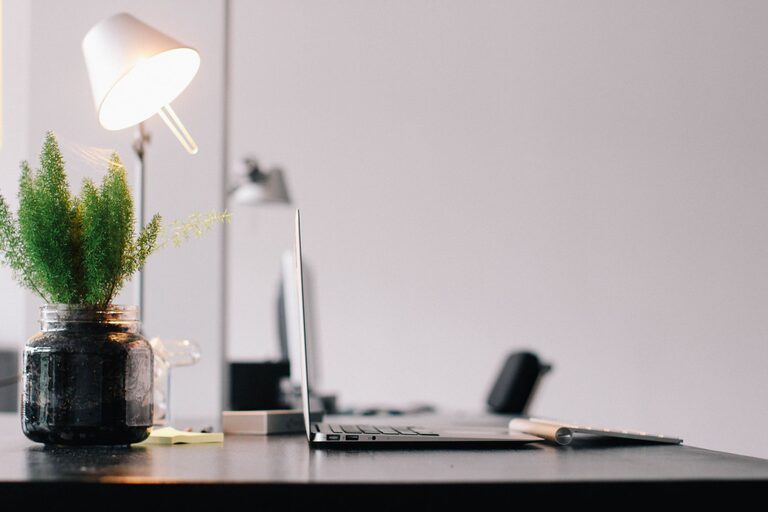
– Task Lighting: Add a desk lamp with adjustable brightness for focused work.
– Avoid Glare: Position screens perpendicular to windows and use shades to control sunlight.
– Ambient Lighting: Soft, indirect lighting creates a comfortable atmosphere.
Minimize Distractions
Maintaining focus can be challenging, especially at home.
– Set Boundaries: Communicate your work hours to family or roommates.
– Noise Control: Use noise-cancelling headphones or white noise machines if needed.
– Limit Digital Distractions: Turn off non-essential notifications and use apps that block distracting sites.
– Create a Work Routine: Consistent start and end times help separate work from leisure.
Personalize Your Space
Adding personal touches can make your home office more inviting and motivating.
– Decorate Thoughtfully: Use colors and artwork that inspire you without overwhelming the space.
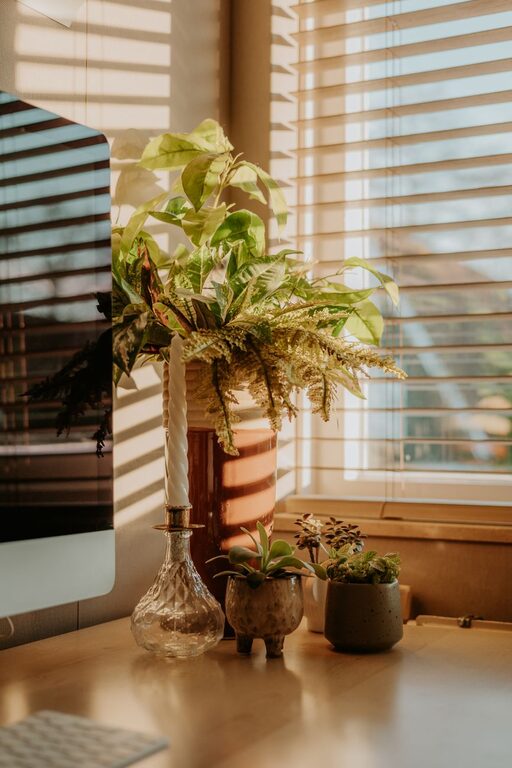
– Add Greenery: Indoor plants can improve air quality and create a relaxing vibe.
– Comfort Items: Consider a cozy throw or a small speaker for background music.
Maintain a Healthy Work-Life Balance
A productive home office isn’t just about the physical setup—it’s also about mindset and habits.
– Take Breaks: Follow the Pomodoro Technique or similar time-blocking methods to encourage regular rest.
– Stretch and Move: Stand up, stretch, or take brief walks to reduce fatigue.
– End Your Day: Clear your workspace and shut down devices to signal the end of work.
– Stay Connected: Schedule regular check-ins with colleagues or friends to avoid isolation.
Use Technology Wisely
Leverage technology to streamline tasks and stay organized.
– Cloud Storage: Keep files accessible and backed up online.
– Productivity Tools: Use apps for task management, calendar scheduling, and note-taking.
– Reliable Internet: Invest in a fast and stable internet connection to avoid interruptions.
– Backup Power: Consider a surge protector or backup battery for critical equipment.
Final Thoughts
Creating a productive home office environment requires thoughtful planning and ongoing adjustments. By carefully choosing your location, investing in ergonomic furniture, organizing your space, and managing distractions, you can enjoy a comfortable and efficient workspace that supports your goals. Remember to prioritize your health and well-being by balancing work with breaks and personal time. With these tips, you’re well on your way to crafting a home office that helps you thrive.
About the Author