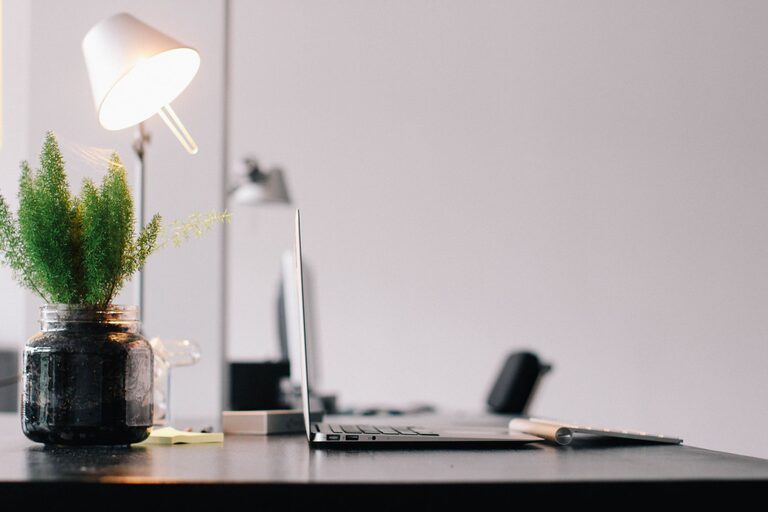
Creating a productive home office environment is essential for anyone working remotely, freelancing, or managing tasks from home. The right setup can improve focus, reduce stress, and make work feel more enjoyable. Whether you’re starting fresh or revamping your current workspace, these tips will help you build an office that suits your needs.
Choose the Right Location
Finding the ideal spot for your home office sets the foundation for productivity.
– Quiet and Private: Select a space that minimizes distractions from family members, pets, or household chores.
– Natural Light: Position your desk near a window if possible. Natural light boosts mood and helps reduce eye strain.
– Good Ventilation: Fresh air keeps you alert. Avoid stuffy or overly warm areas.
Even if space is limited, a nook in the living room or bedroom can work with the right arrangement.
Invest in Comfortable Furniture
Comfort directly affects your ability to focus and work for long periods.
– Ergonomic Chair: Choose a chair that provides good back support and adjusts to your height.
– Sturdy Desk: A desk with enough surface area for your computer, documents, and other essentials helps keep things organized.
– Adjustable Setup: Consider a standing desk or a converter to alternate between sitting and standing.
Comfortable seating and a supportive desk help prevent aches and promote better posture.
Organize Your Workspace
Clutter disrupts focus and wastes time looking for items.
– Declutter Regularly: Keep only what you need on your desk. Store papers and supplies in drawers or organizers.
– Use Storage Solutions: Shelves, filing cabinets, and bins keep materials tidy and within reach.
– Cable Management: Use clips or ties to keep cords neat and prevent tangles.
A clean, organized workspace encourages efficiency and peace of mind.
Optimize Lighting
Proper lighting is essential to reduce eye strain and maintain alertness.
– Layered Lighting: Combine natural light with overhead and task lighting, such as desk lamps.
– Avoid Glare: Position screens perpendicular to windows to reduce reflective glare.
– Warm vs. Cool Light: Use cooler light for focused tasks and warmer light for relaxing breaks.
Adjustable lighting allows you to customize your environment based on the time of day.
Minimize Distractions
Maintaining concentration in a home environment can be challenging.
– Set Boundaries: Make it clear to household members when you’re working.
– Use Noise Control: Noise-canceling headphones or white noise machines can block background sounds.
– Limit Digital Interruptions: Turn off non-essential notifications or use apps to focus.
Creating barriers against distractions supports deep work and better productivity.
Personalize Your Space
A workspace that feels inviting can motivate you to spend time there.
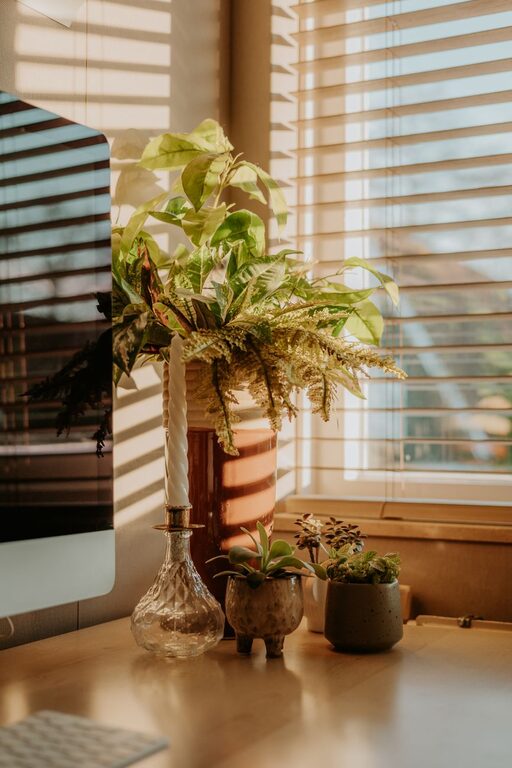
– Add Plants: Greenery improves mood and air quality.
– Incorporate Art: Pictures, posters, or inspirational quotes make your office feel personal.
– Use Color: Choose colors that promote calmness or creativity depending on your preference.
A personal touch keeps your workspace enjoyable and inspiring.
Establish a Routine
Structure helps balance work and home life effectively.
– Set Working Hours: Define start and end times to create work-life boundaries.
– Take Regular Breaks: Follow the 25-5 or 50-10 rule—work for 25 or 50 minutes, then break for 5 or 10 minutes.
– Stay Active: Stand, stretch, or walk around during breaks to recharge.
A clear routine increases focus and reduces burnout.
Invest in Technology and Tools
Reliable equipment supports smooth work performance.
– Good Internet Connection: A stable, fast internet connection is crucial for meetings and cloud work.
– Quality Headset: Useful for calls and video conferences.
– Backup Power: Consider surge protectors or UPS devices to protect your equipment.
Choosing the right tools saves time and helps you work without interruptions.
Keep Healthy Habits in Mind
Your wellbeing impacts your productivity.
– Hydrate: Keep a water bottle handy and drink regularly.
– Healthy Snacks: Avoid heavy or sugary snacks that may cause energy crashes.
– Posture Awareness: Regularly check your posture to avoid strain.
Taking care of your body fosters sustained energy and focus.
—
Creating a productive home office environment is about combining comfort, organization, and focus strategies that fit your personal needs. With these tips, you can build a workspace that helps you do your best work every day.
About the Author