Creating a productive home office environment is essential for anyone working from home, whether full-time or part-time. A well-organized, comfortable, and distraction-free workspace not only helps you stay focused but also promotes better work-life balance. If you’re looking to upgrade your home workspace, here are practical tips to make your office a place where productivity thrives.
Choose the Right Location
Selecting the right spot for your home office is the first step toward productivity. Ideally, find a quiet area with good natural light and minimal distractions. If space is limited, consider using a corner in a less busy room. Having a dedicated space signals your brain that it’s time to work, helping you stay focused.
Consider These Factors:
– Privacy: Choose a place where interruptions are minimal.
– Lighting: Natural light reduces eye strain and boosts mood.
– Noise Level: A quieter area helps maintain concentration.
Invest in Comfortable and Functional Furniture
Your furniture choices can significantly affect your comfort and efficiency. An ergonomic chair and a desk at the right height help prevent back pain and fatigue.
Must-Have Furniture Tips:
– Use an adjustable chair with lumbar support.
– Select a desk that fits your work style and equipment.
– Keep frequently used items within easy reach to avoid unnecessary movement.
Organize Your Workspace
Clutter can stress the mind and hinder productivity. Keeping your workstation tidy and organized promotes a clear mindset and helps you find things quickly.
Organizational Ideas:
– Use shelves or filing cabinets for important documents.
– Employ desk organizers for pens, papers, and gadgets.
– Regularly declutter your space to maintain order.
Optimize Lighting
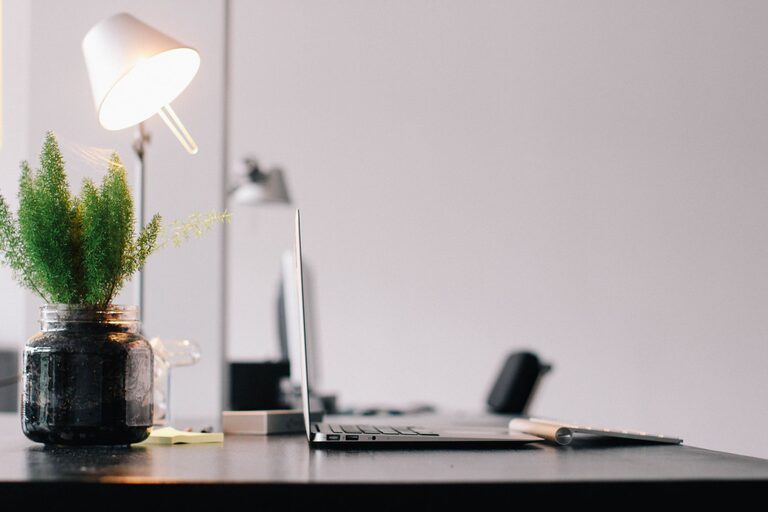
Good lighting is crucial for comfort and preventing eye strain. Position your desk near a window if possible. Supplement natural light with adjustable desk lamps that reduce shadows and glare.
Lighting Tips:
– Use warm, soft lighting in the evening to reduce eye fatigue.
– Avoid harsh overhead fluorescent lights if you can.
– Consider light temperature that suits your tasks—for reading or screen work.
Minimize Distractions
Avoid interruptions that can pull away your focus.
Ways to Minimize Distractions:
– Inform family or housemates of your work hours.
– Use noise-cancelling headphones if necessary.
– Turn off non-essential notifications on your devices.
Personalize Your Space
Adding personal touches can make your office inviting and motivating without overwhelming the space.
Ideas for Personalization:
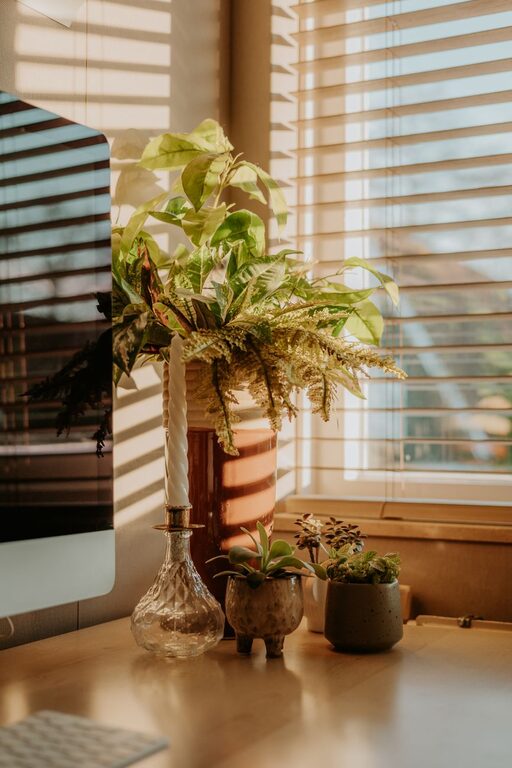
– Include a few plants to improve air quality and mood.
– Display artwork or photos that inspire you.
– Choose colors that boost creativity and calm your mind.
Establish a Routine and Set Boundaries
A productive home office is not just about the physical space but also how you manage your time and work habits.
Tips to Stay on Track:
– Set regular work hours and stick to them.
– Take short breaks to stretch and recharge.
– Use a planner or digital calendar to organize tasks.
Use Technology Wisely
Leverage technology to enhance your workflow but avoid letting it distract you.
Tech Tips:
– Use apps for task management and time tracking.
– Invest in reliable internet and backup power options.
– Keep your computer and software updated for smooth operation.
Maintain Healthy Habits
Supporting your physical and mental well-being will help keep productivity high.
Healthy Office Habits:
– Practice good posture.
– Stay hydrated and eat balanced meals.
– Make time for movement and breaks away from the desk.
Conclusion
Designing a productive home office environment is about creating a space that supports focus, comfort, and efficiency. By choosing the right location, investing in ergonomic furniture, organizing your workspace, managing distractions, and maintaining healthy routines, you set yourself up for success. Whether you’re starting a new remote job or enhancing an existing setup, these tips can help make your home office a place where you enjoy working and accomplish your goals.
About the Author